Surfaces Installed Over Verified Subfloors
Flooring in Martinsburg for rooms where underlayment failure causes tiles to crack or planks to buckle
Tile installed directly over unleveled subfloors develops hollow spots that crack under foot traffic within months, while hardwood and laminate planks buckle when moisture migrates upward through improperly sealed concrete or inadequately ventilated crawlspaces. Black Beard Restoration installs tile, hardwood, laminate, and vinyl flooring across Martinsburg, Inwood, Kearneysville, and the Clear Spring/Hagerstown corridor, beginning every project with subfloor inspection, leveling compound application where height variations exceed manufacturer tolerances, and moisture testing especially in basements where relative humidity and concrete vapor transmission compromise adhesive bonds. Older homes throughout the Martinsburg area often require subfloor remediation before any finish material is laid, while newer construction demands code-compliant underlayment and climate-adapted installation techniques.
Installation proceeds with material-specific underlayment selected for the substrate type and room function, professional fastening or adhesive application per manufacturer specifications, expansion gaps calculated for seasonal humidity fluctuations, and grout or sealant formulated to resist moisture intrusion common in this region. Basement installations receive additional vapor barriers and moisture-resistant adhesives to counteract ground-level humidity.
Request a detailed estimate based on your current subfloor condition and room-specific moisture concerns..
What Changes After Flooring Installation
Flooring work begins with removal of existing materials, subfloor inspection for rot or deflection, moisture meter readings taken at multiple points to identify problem areas, and leveling compound applied to eliminate dips or humps that telegraph through finish surfaces. Underlayment is selected based on substrate composition, with sound-dampening or moisture-barrier properties added where needed.
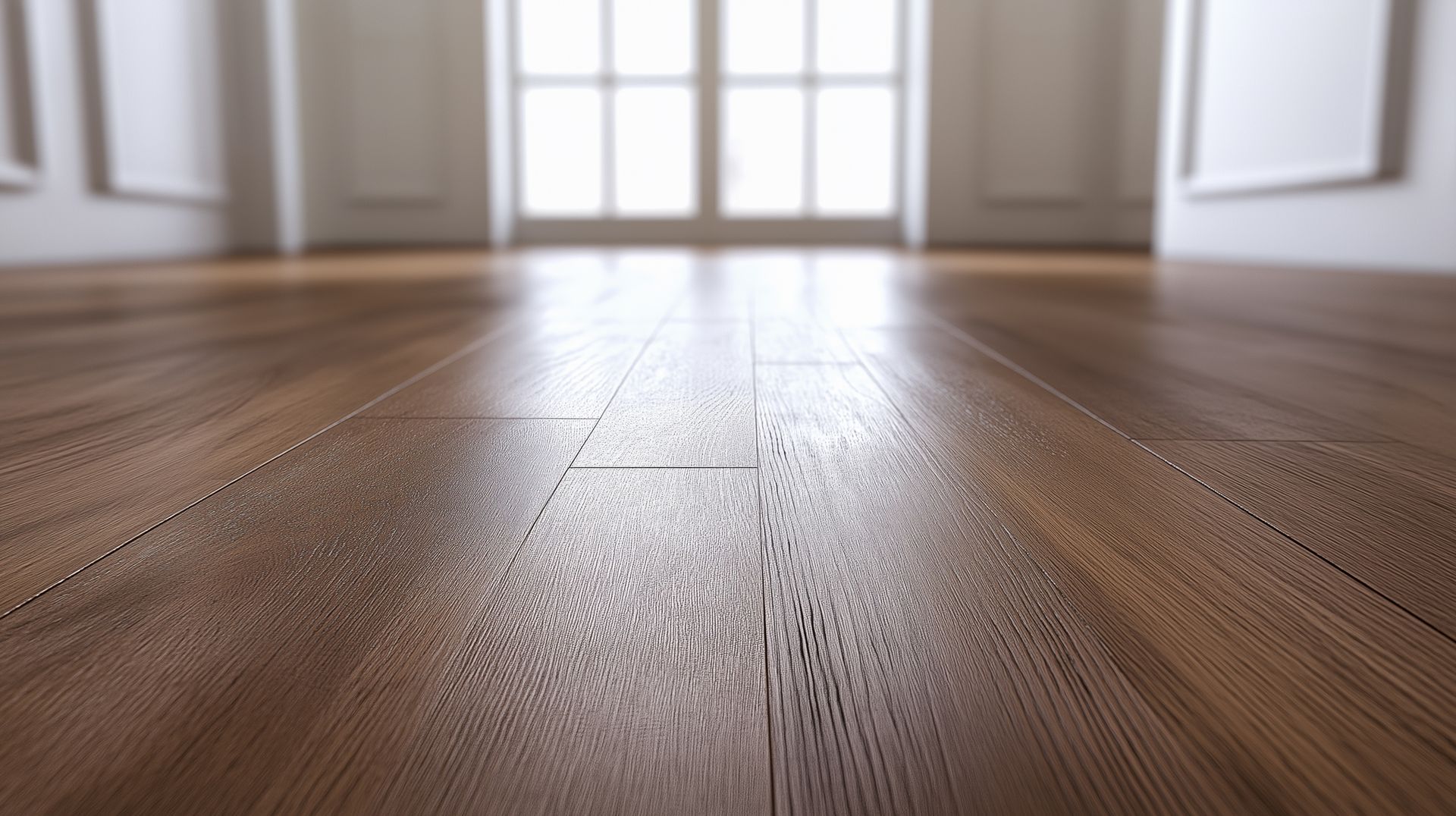
Once finished, you walk across floors that remain level without dips, tiles that sound solid underfoot without hollow tapping noises, planks that stay flat without edges lifting, and transitions between rooms that sit flush without tripping hazards. Grout lines resist cracking, hardwood remains stable through seasonal humidity swings, and vinyl seams stay sealed against moisture intrusion.
Material warranties require proper subfloor preparation and climate-appropriate installation methods; skipping moisture testing or leveling steps voids coverage and accelerates failure. Basement finishing service experience demonstrates moisture management expertise critical in below-grade installations, while insurance adjuster background validates water damage prevention protocols that protect long-term flooring performance..
Common Questions About This Service
Flooring installation involves material selection, subfloor preparation, and moisture control decisions that affect durability and appearance. These answers address the details that matter most during planning.
What subfloor inspection happens before flooring is installed?
Black Beard Restoration uses moisture meters to test concrete and wood subfloors, checks for deflection by walking across joists, probes for rot or insect damage, and measures height variations with a straightedge to identify areas requiring leveling compound.
Why does moisture testing matter in Martinsburg basements?
Ground-level humidity in this region causes adhesive failure and mold growth beneath flooring if vapor barriers are omitted; moisture meter readings determine if additional sealing or dehumidification is required before installation begins.
How do you select underlayment for different flooring types?
Tile installations over wood subfloors require cement backer board to prevent flexing, laminate needs foam underlayment with moisture barriers, and hardwood uses rosin paper or felt to allow wood movement while blocking minor moisture transmission.
What causes vinyl seams to separate after installation?
Insufficient adhesive coverage, substrate moisture that prevents bonding, or expansion gaps omitted at perimeter walls allow vinyl to shift and pull seams apart under temperature changes.
What documentation confirms proper installation?
You receive manufacturer warranty registration, installation certification showing compliance with published guidelines, moisture test results recorded before work begins, and material specifications for underlayment and adhesives used.
Black Beard Restoration handles flooring installations with full subfloor assessment and moisture control protocols, ensuring materials perform as intended across Martinsburg-area humidity conditions. Schedule an evaluation to review your subfloor condition and discuss material options suited to your room's function and traffic level.