
Finish Carpentry That Follows Settled Walls
Trim Work in Martinsburg for homes where baseboards gap from walls or crown molding shows uneven reveals
Older homes throughout Martinsburg settle unevenly over decades, leaving walls that bow outward or lean inward, ceilings that slope across rooms, and floor joists that sag in the middle, all of which cause pre-cut trim to install with visible gaps or inconsistent reveals that no amount of caulk can conceal convincingly. Interior trim, baseboards, crown molding, and finish carpentry delivered by Black Beard Restoration across Martinsburg, Ranson, Charlestown, and Hedgesville begin with wall and ceiling assessment for out-of-plumb and out-of-level conditions, followed by material selection that accounts for humidity stability especially in basements where moisture fluctuations warp wood profiles. Newer construction in the area demands clean lines and modern trim profiles that install without visible fastener marks or uneven joints.
Installation involves scribing trim to follow existing wall contours, coping inside corners for tight joints that remain closed as materials expand and contract, professional caulking applied only where gaps exceed acceptable tolerances, and paint-ready finishes that require no additional sanding or filling. Basement installations use moisture-stable materials that resist warping when relative humidity shifts seasonally.
Arrange a consultation to assess wall conditions and discuss trim profiles that suit your home's existing architectural style..
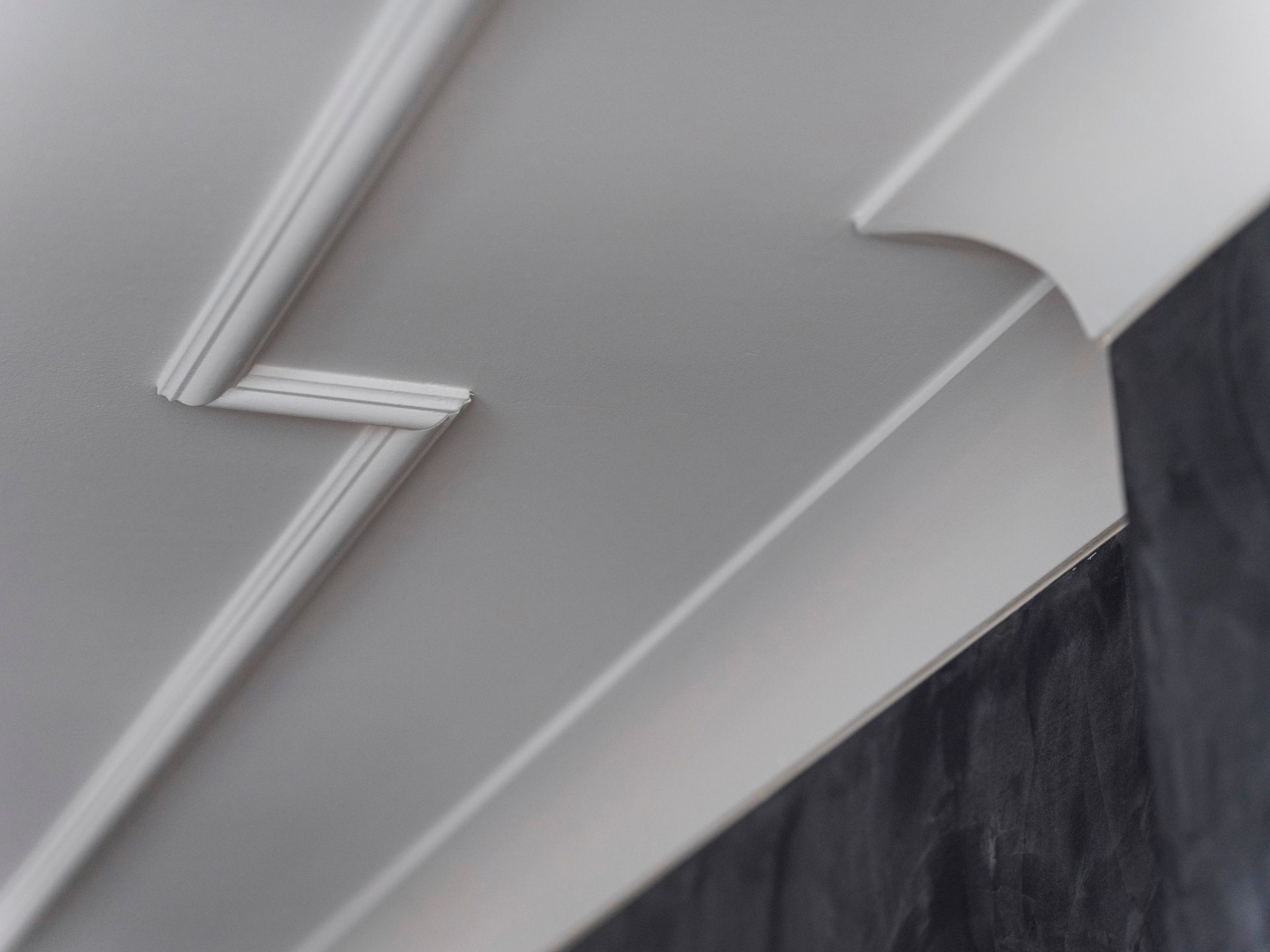
Why Material Selection Affects Long-Term Fit
Trim installation begins with straightedge checks along walls and ceilings to map deviations from plumb and level, followed by material selection based on room function and moisture exposure. Wood trim expands and contracts with humidity changes, MDF profiles remain dimensionally stable but disintegrate if exposed to water, and PVC trim resists moisture but requires different fastening methods to prevent cracking.
After installation, you see baseboards that sit flush against walls without gaps large enough to slide paper behind, crown molding with consistent shadow lines where ceiling and wall planes meet, door casings with uniform reveals on all sides, and coped inside corners that remain tight without opening as seasons change. Caulk appears only in intentional design gaps, not as filler concealing poor craftsmanship.
Basement finishing and remodel projects demonstrate trim competency across challenging spaces where moisture and structural settling create installation obstacles. Paint-ready surfaces eliminate the need for homeowners to spend additional time sanding joints or filling nail holes before finishing..
What Property Owners Usually Ask
Trim carpentry decisions affect both immediate appearance and long-term durability. The following responses clarify what happens during installation and what influences material performance.
What wall assessment happens before trim installation in Martinsburg?
Black Beard Restoration uses levels and straightedges to check walls for plumb, measures ceiling height variations across rooms, and identifies areas where drywall bows or framing settled unevenly.
Why does material choice matter in basements?
Wood trim absorbs moisture from basement humidity and warps, causing joints to open and profiles to twist; moisture-stable alternatives like PVC or primed MDF resist dimensional changes in high-humidity environments common below grade.
How do you handle uneven walls during baseboard installation?
Trim is scribed to follow wall contours rather than forced flat, gaps exceeding acceptable tolerances are shimmed from behind to maintain consistent reveals, and caulk is applied only where gaps remain visible after fitting.
What is coping and why does it matter for inside corners?
Coped joints cut one trim piece to match the profile of the adjoining piece, creating mechanical fits that stay tight as materials expand and contract; mitered inside corners open visibly when humidity changes cause wood movement.
What does paint-ready installation include?
All nail holes are filled, joints are sanded smooth, caulk is tooled to a consistent profile, and surfaces are wiped clean so painters can apply finish coats without additional preparation work.
Black Beard Restoration installs interior trim with attention to wall conditions and moisture stability, ensuring finished carpentry remains tight and professional-looking across seasonal humidity changes. Request an estimate after reviewing your walls and discussing material options suited to each room's exposure level.